
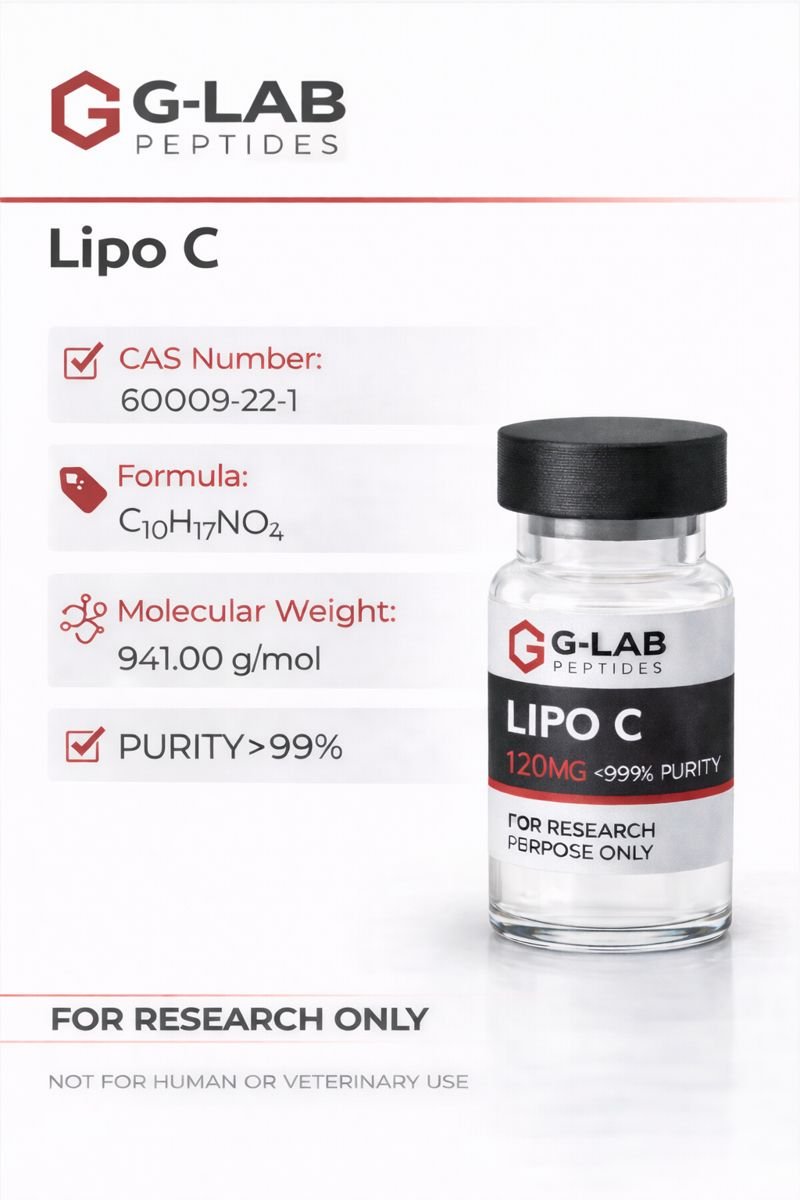
Lipo C 120 (120mg)
$48.90
| Quantity | Discount | Price |
|---|---|---|
| 5 - 8 | 5% | $46.46 |
| 9+ | 10% | $44.01 |
Free shipping on orders over $200!
- Satisfaction Guaranteed
- No Hassle Refunds
- Secure Payments
Lipo C 120
Lipo C 120 is a compounded formulation commonly used in research settings to explore the combined metabolic and antioxidant actions of Vitamin C (ascorbic acid) and lipotropic agents such as L-carnitine, methionine, inositol, and choline. These compounds participate in fatty-acid transport, hepatic lipid metabolism, mitochondrial function, redox balance, and lipid-mobilization pathways.
Lipo C formulations are studied for their potential impact on adipose metabolism, liver fat oxidation, mitochondrial efficiency, antioxidant defense, and metabolic stress responses, making them a valuable tool in metabolic, hepatic, and cellular-biochemistry research.
Specifications
Synonyms: Lipotropic Complex, Lipotropic C, Lipotropic Vitamin C blend
Primary Components:
Vitamin C (ascorbic acid)
L-carnitine
Choline
Inositol
Methionine
Class: Lipotropic / antioxidant nutrient complex
Research category: Lipid metabolism / hepatic function / mitochondrial bioenergetics
Mechanism of Action and Metabolic Pathways
Lipo C 120 combines antioxidant protection with lipotropic activity, targeting multiple biochemical pathways:
1. Vitamin C: Redox Balance, Mitochondrial Function & Collagen Synthesis
Vitamin C acts as a cofactor in:
Mitochondrial electron transfer and reduction of reactive oxygen species (ROS)
Synthesis of carnitine from lysine and methionine
Collagen production and extracellular matrix stability
Regeneration of other antioxidants such as vitamin E and glutathione
Ascorbic acid improves cellular defense against oxidative stress, particularly in high-metabolic-demand tissues such as liver, muscle, and adipose tissue.
Research shows high-dose Vitamin C enhances fatty-acid oxidation indirectly by supporting endogenous carnitine synthesis and improving mitochondrial resilience.
2. L-Carnitine: Fatty-Acid Transport and Mitochondrial β-Oxidation
L-Carnitine shuttles long-chain fatty acids into mitochondria, enabling β-oxidation:
Increases mitochondrial fat utilization
Reduces intramyocellular and hepatic lipid accumulation
Supports energy production in skeletal muscle
Enhances metabolic flexibility
Studies demonstrate that carnitine supplementation improves fat oxidation, reduces inflammation, and enhances metabolic efficiency in obese and insulin-resistant models.
3. Choline: Hepatic Lipid Export and Methylation Pathways
Choline is essential for:
VLDL assembly and export of triglycerides from the liver
Prevention of hepatic fat accumulation
Conversion to betaine, supporting methylation and homocysteine regulation
Choline deficiency is a known driver of fatty liver, making it a central lipotropic agent.
4. Inositol: Insulin Signaling and Lipid Regulation
Inositol participates in:
Second-messenger pathways for insulin signaling
Fatty-acid distribution and cellular lipid turnover
Ovarian and hepatic metabolic pathways
Myo-inositol improves insulin sensitivity and reduces metabolic inflammation, making it a valuable component of lipotropic research.
5. Methionine: Lipotropic Methyl Donor and Antioxidant Synthesis
Methionine contributes to:
Glutathione synthesis (major antioxidant)
SAMe production for methylation reactions
Reduction of hepatic lipid deposition
Improved lipid metabolism via the methionine → SAMe → phosphatidylcholine pathway
SAMe and methionine play crucial roles in preventing fatty liver by supporting phospholipid synthesis and enhancing VLDL secretion.
Lipo C 120 in Lipid Metabolism, Weight and Adiposity Research
Metabolic Effects Observed in Research Contexts
Enhanced mitochondrial β-oxidation due to L-carnitine + Vitamin C synergy
Reduced hepatic steatosis via choline-dependent VLDL export
Improved insulin signaling from inositol pathway activation
Lower oxidative stress and lipid peroxidation from ascorbic acid and methionine-derived glutathione
Improved metabolic flexibility and fatty-acid turnover
While not a pharmacologic weight-loss agent, lipotropic complexes have been used for decades in research exploring fatty-acid mobilization and liver fat metabolism.
Hepatic Health and Lipotropic Function
Lipo C formulations are frequently studied for their ability to modulate:
Liver fat accumulation
Triglyceride synthesis and export
ROS-related hepatic injury
Methylation-dependent detoxification pathways
Key findings include:
Choline + methionine deficiency induces NAFLD, confirming their central role in hepatic lipid metabolism
Vitamin C and carnitine improve mitochondrial efficiency, reducing oxidative burden in hepatocytes
Antioxidant and Anti-Inflammatory Actions
The combined antioxidant actions of vitamin C, carnitine and methionine-derived glutathione support:
Reduced inflammatory cytokines (TNF-α, IL-6)
Prevention of oxidative mitochondrial injury
Better resilience of hepatocytes and adipocytes to metabolic stress
Vitamin C, in particular, modulates NF-κB and other redox-sensitive inflammatory pathways.
Other Experimental Applications
Lipo C 120 has been used in research for:
Energy metabolism & exercise models: improving mitochondrial substrate preference
Insulin-resistance models: enhancing glucose handling via inositol pathways
Fatigue and mitochondrial dysfunction studies: carnitine-dependent energy improvements
Adipose biology: evaluating lipolysis and fatty-acid flux under lipotropic influence
Research Use Only — Important Notice
This Lipo C 120 product is supplied exclusively for laboratory and research purposes.
Not for human or veterinary use
Not for diagnostic or therapeutic applications
All descriptions summarize findings from preclinical, mechanistic, and nutritional studies
Not to be interpreted as medical guidance or instructions for self-administration
References
1. Mousavi, S. et al. Vitamin C as an Antioxidant in Metabolic and Mitochondrial Health: Mechanistic Insights. Journal of Translational Medicine, 2017.
https://www.sciencedirect.com/science/article/pii/S2212877817301529
2. Fielding, R. et al. L-Carnitine Supplementation Improves Fatty-Acid Oxidation and Mitochondrial Function in Metabolic Disorders. Nutrition & Metabolism, 2017.
https://pubmed.ncbi.nlm.nih.gov/28422518/
3. Corbin, K. et al. Choline and Liver Lipid Homeostasis: Mechanisms Linking Choline Deficiency to Hepatic Steatosis. Nutrients, 2020.
https://pmc.ncbi.nlm.nih.gov/articles/PMC7071238/
4. Croze, M. et al. Role of Myo-Inositol in Insulin Signaling and Metabolic Regulation. Metabolism Clinical and Experimental, 2016.
https://pubmed.ncbi.nlm.nih.gov/26649277/
5. Lu, S. et al. Methionine Metabolism, SAMe Pathways, and Lipotropic Actions in Hepatic Function. In: Biochemistry of Methyl Donors. NCBI Bookshelf, 2019.
https://www.ncbi.nlm.nih.gov/books/NBK22483/
6. Aglago, E. et al. Lipotropic Compounds and Their Impact on Adiposity, Liver Fat, and Metabolic Health: A Systematic Overview. Journal of Dietary Supplements, 2022.
https://pmc.ncbi.nlm.nih.gov/articles/PMC8832493/
7. Jacob, R. et al. Ascorbic Acid and Oxidative Stress: Implications for Cellular Redox Homeostasis. Free Radical Biology & Medicine, 2009.
https://pubmed.ncbi.nlm.nih.gov/19807063/
Related products
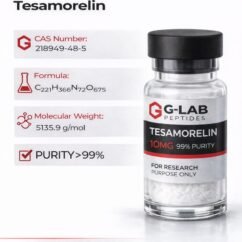
Tesamorelin
Price range: $86.90 through $115.00Select options This product has multiple variants. The options may be chosen on the product page
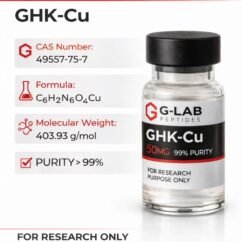
GHK-Cu
Price range: $58.90 through $81.90Select options This product has multiple variants. The options may be chosen on the product page
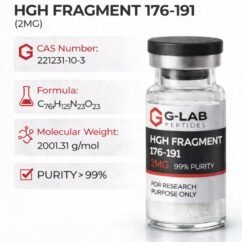 HGH Fragment 176-191 (5mg)
  GHRP-6 (5mg)
  Semax (10mg)
  IGF-1 LR3 (1mg)
  Oxytocin (5mg)
 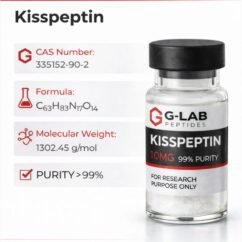 Kisspeptin (10mg)
 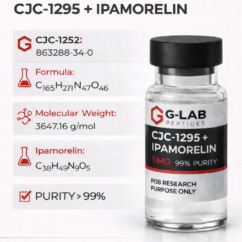 CJC-1295 + Ipamorelin (10mg)
 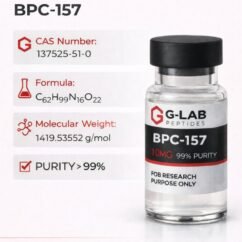 BPC-157 (5mg)