
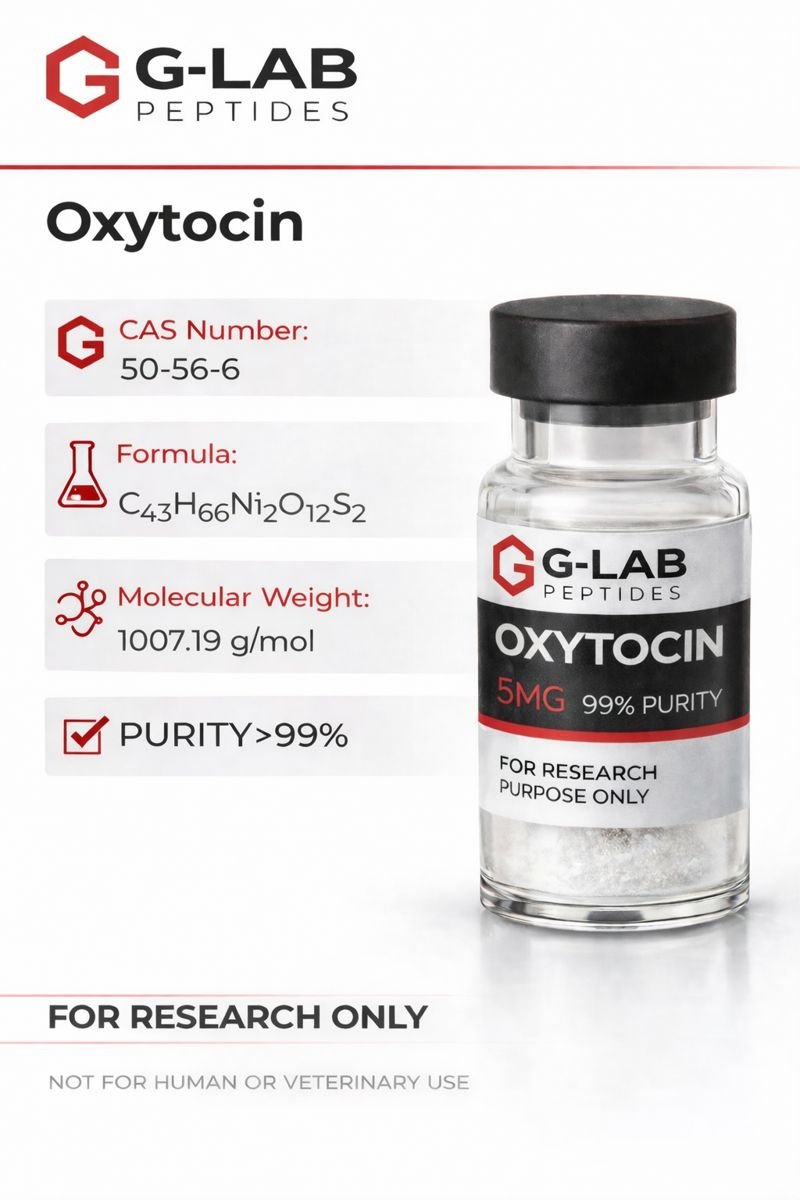
Oxytocin (5mg)
$37.90
| Quantity | Discount | Price |
|---|---|---|
| 5 - 8 | 5% | $36.00 |
| 9+ | 10% | $34.11 |
Free shipping on orders over $200!
- Satisfaction Guaranteed
- No Hassle Refunds
- Secure Payments
Oxytocin (5 mg)
Neuropeptide Hormone / Social Bonding Modulator / Uterotonic Research Agent
Oxytocin is a cyclic nonapeptide hormone (nine amino acids) produced in the hypothalamus and released via the posterior pituitary. As a biological ligand for the oxytocin receptor (OXTR)—a G-protein–coupled receptor (GPCR)—oxytocin plays key roles in social behavior, maternal bonding, stress regulation, autonomic control, smooth muscle contraction, and neuroendocrine signaling.
In laboratory research, oxytocin is extensively used to study:
Social cognition and affiliative behavior
Stress reactivity and HPA-axis modulation
Pair-bonding and maternal behaviors
Anxiety, fear extinction, and emotional regulation
Receptor pharmacology and GPCR calcium signaling
Myometrial and mammary gland contractility
Oxytocin (5 mg) supplied as lyophilized powder is intended strictly for experimental research, not for clinical or reproductive use.
Specifications
Synonyms: Oxytocin, OXT, α-hypophamine, oxytocic peptide
Sequence: Cys–Tyr–Ile–Gln–Asn–Cys–Pro–Leu–Gly–NH₂
Structure: Cyclic nonapeptide with disulfide bridge between Cys¹ and Cys⁶
Molecular Formula: C₄₃H₆₆N₁₂O₁₂S₂
Molecular Weight: ~1007.2 g/mol
Class: Neuropeptide hormone / OXTR agonist
Presentation: Lyophilized powder, 5 mg per vial, >98% purity (research grade)
Mechanism of Action and Signaling Pathways
Oxytocin binds to the OXTR receptor, a Gq-coupled GPCR widely expressed in:
Limbic brain regions (amygdala, nucleus accumbens, hippocampus)
Hypothalamus
Uterus and cervix
Mammary gland
Cardiovascular and gastrointestinal tissues
Primary signaling mechanisms
OXTR activation triggers:
Phospholipase C (PLC) activation
Increased IP₃ and DAG
Intracellular Ca²⁺ mobilization
Activation of protein kinase C (PKC)
Modulation of downstream transcriptional responses
This Ca²⁺-dependent pathway drives oxytocin’s well-characterized effects on smooth muscle contraction, neurotransmission, and behavioral modulation.
Neuroscience, Social Behavior, and Stress Research
1. Social bonding and affiliative behavior
Oxytocin plays a critical role in:
Pair bonding
Trust and prosocial behavior
Social memory formation
Maternal care and attachment
Human and animal studies consistently show that oxytocin modulates neural circuits involved in reward, emotion regulation, and social salience, particularly in the amygdala and striatum.
2. Anxiety reduction and fear extinction
OXTR activation in the amygdala and prefrontal cortex:
Reduces anxiety-like behavior
Facilitates extinction of conditioned fear
Dampens stress-induced autonomic responses
3. HPA-axis modulation
Oxytocin inhibits hypothalamic CRH release, resulting in:
Decreased cortisol levels
Lower physiological stress reactivity
These properties make oxytocin a key research tool in psychoneuroendocrinology.
Peripheral Physiologic and Cellular Effects
1. Myometrial contraction
Oxytocin’s classical physiological effect is:
Potent contraction of uterine smooth muscle
Increased frequency and force of myometrial activity
Synergistic activity with prostaglandins
2. Mammary gland ejection reflex
Oxytocin causes contraction of:
Myoepithelial cells → promoting milk ejection in lactation research models
3. Cardiovascular, metabolic and repair biology
Emerging studies show oxytocin’s peripheral effects:
Enhanced lipid metabolism in some models
Stimulation of glucose uptake in muscle cells
Support of wound healing via fibroblast migration and angiogenesis
Vasodilation and blood-pressure modulation
These findings have opened research into oxytocin’s roles beyond classical reproductive physiology.
Behavioral, Cognitive, and Psychiatric Research Applications
Oxytocin is studied in models of:
Autism spectrum disorders
Social anxiety disorder
PTSD and trauma-related stress
Addictive behaviors
Depression and anhedonia
Maternal-infant bonding deficits
Oxytocin’s ability to modulate neural salience and reward pathways makes it a unique neuropeptide in behavioral research.
Safety, Regulatory Constraints, and Limitations
Oxytocin is clinically approved only for obstetric indications (labor induction, postpartum hemorrhage control) — not applicable to research-grade material.
Research-grade oxytocin is not for human, veterinary, obstetric or lactation-related use.
Potential physiological effects (contextual, not applicable to research use): uterine contractions, hypotension, tachycardia, hyponatremia with excessive synthetic exposure.
Behavioral effects can be context-dependent and vary with individual neurobiology, making interpretation complex in translational studies.
Research Use Only – Important Notice
This Oxytocin (5 mg) product is supplied exclusively for laboratory research.
Not for human or veterinary use
Not for obstetric, reproductive, lactation, or diagnostic purposes
Intended solely for in vitro studies and controlled animal experiments
All descriptions summarize findings from preclinical and neuroendocrine literature
Not to be interpreted as medical advice or dosing guidance
References (Non-Wikipedia, peer-reviewed, with links)
Gimpl G, Fahrenholz F. The oxytocin receptor system: structure, function, and regulation. Physiol Rev.
https://pubmed.ncbi.nlm.nih.gov/10893428/
Bethlehem RAI et al. Oxytocin, brain function and social behavior. Trends Cogn Sci.
https://pubmed.ncbi.nlm.nih.gov/28709791/
Carter CS. Neurobiology of oxytocin and social bonding. Ann N Y Acad Sci.
https://pubmed.ncbi.nlm.nih.gov/20669238/
Neumann ID, Landgraf R. Balance of brain oxytocin and vasopressin: anxiety, social behavior and stress. Trends Neurosci.
https://pubmed.ncbi.nlm.nih.gov/17055261/
Lee HJ et al. Oxytocin in anxiety and fear modulation. Prog Brain Res.
https://pubmed.ncbi.nlm.nih.gov/21802454/
Arrowsmith S, Wray S. Myometrial physiology and oxytocin signaling. Exp Physiol.
https://pubmed.ncbi.nlm.nih.gov/20959341/
Plante E et al. Oxytocin receptor signaling in cardiac tissue. Peptides.
https://pubmed.ncbi.nlm.nih.gov/19596346/
Gouin JP et al. Oxytocin and wound healing research. Psychoneuroendocrinology.
https://pubmed.ncbi.nlm.nih.gov/22244759/
Related products
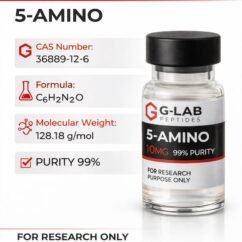
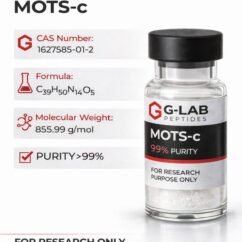
MOTS-c
Price range: $76.90 through $155.00Select options This product has multiple variants. The options may be chosen on the product page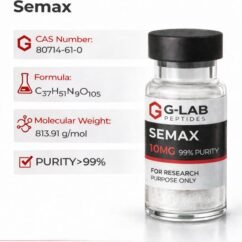
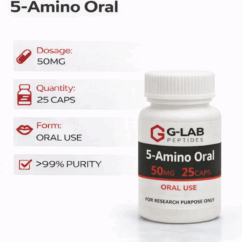 5-Amino Oral (50mg)